By John Helmer in Moscow
It’s a pity Vladimir Lenin was tone deaf, and dismissed music (along with chess) as an entertainment for the ruling class. Had he an ear and taste for classical music (like Karl Marx, who was keen on Beethoven, and Leon Trotsky, who loved Verdi), he might have devised a revolutionary doctrine for the performing arts. This could have protected Russia from the likes of Mstislav Rostropovich the cellist, Nikita Mikhalkov the filmmaker, Valery Gergiev the conductor, and X the theatre director.
I regret I am obliged to avoid using X’s, or his Moscow theatre’s real name, because he and his colleagues are so thin-skinned, so despotic, and so vengeful, they brook no criticism, and would react by attacking the livelihood of a member of my family.
And this is the point: the erstwhile freedom which the presidency of Boris Yeltsin introduced, after toppling Mikhail Gorbachev in 1990, was not a freedom for artistic expression in Russia at all. It was the start of a new dictatorship, much worse for Russian culture, its producers and consumers, than anything that had gone before.
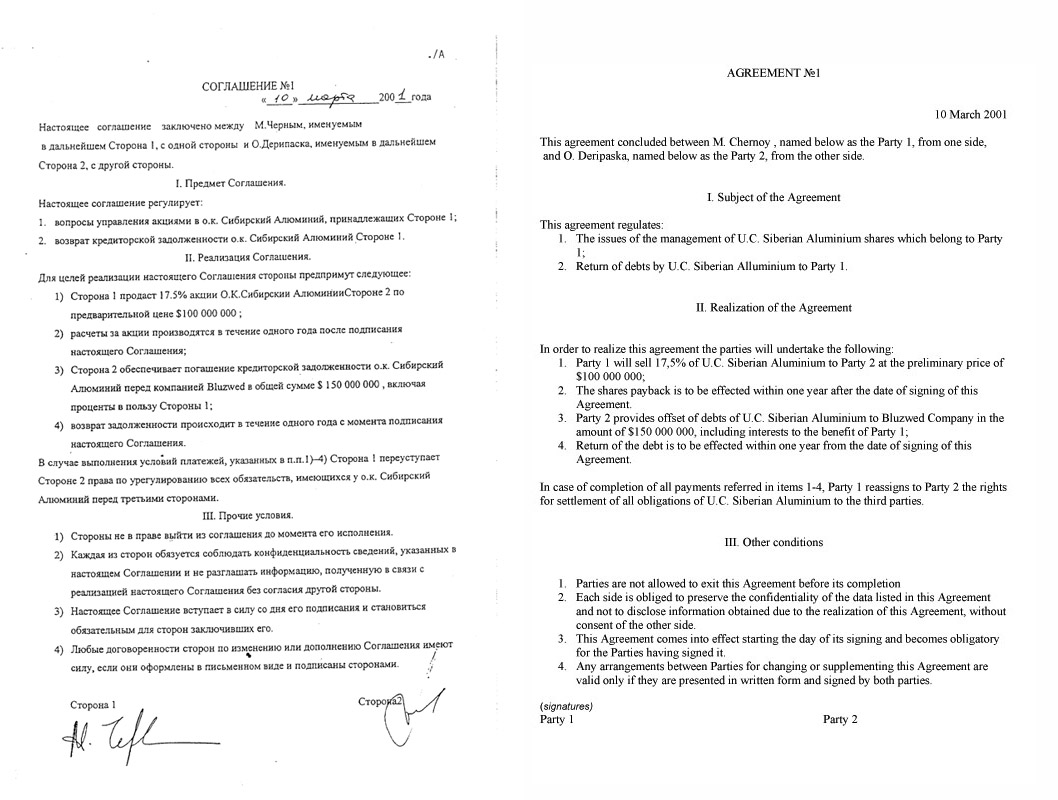
The eulogies over the death of Rostropovich — which followed Yeltsin’s in Moscow by five days in April — miss the point of the human rights which Rostropovich made a reputation pursuing, aggressively, during the Yeltsin period – Rostropovich’s interest was limited to advancing his own right to make as much money out of Russia as possible. Even an oligarch as wealthy as Oleg Deripaska, owner of Russian Aluminium, expressed his shock at the size of the performance fee Rostropovich once demanded for a charity concert in the Samara region, sponsored by Deripaska’s company.
Just as Yeltsin privatized Russia’s natural resources for the benefit of a handful of his supporters, who banked the cash value abroad; so Yeltsin’s privatization of Russia’s cultural resources made a handful of performing artists very rich. The cultural privatization also started a reign of new terror, in which this handful of men took control of the performing arts in Moscow – the concert halls, theatre stages, film studios, airwaves – and systematically destroyed all rivals for a dwindling state culture budget, corruptly garnering the public resources which had supported Soviet arts education, copyrights, and broadcasting, for their private gain. Unreformed, they still rule today. The destruction they wreaked was far greater, countrywide, and longer lasting than the policies of the cultural commissars of Stalin’s time. (more…)
by John Helmer - Tuesday, May 1st, 2007
No Comments »